Living in Cairo as an Expat: 2026 Guide to Cost, Housing & Neighborhoods
Finding an Apartment|8 MIN READ|Updated on: 11 September 2026|Written by: Hossam Younes
Living in Cairo as an Expat: 2026 Guide to Cost, Housing & Best Neighborhoods
Why Live in Cairo as an Expat?
Most of the families we sign leases for arrive in Cairo curious but cautious. They've heard about the traffic. They've heard the city is loud. They wonder if their kids will be okay.
Six months in, the same families usually tell us the same thing: their disposable income is meaningfully higher than it was at home, their kids have settled into international schools that rival anything in London or Boston, and they've built a social circle they never expected. Cairo rewards people who arrive with an open mind, decent patience, and a willingness to lean on local relationships.
The rest of this guide walks through the practical decisions in roughly the order you'll face them: cost of living, visa status, where to live, and how to handle the first few weeks on the ground.
Is Cairo a Good Place to Live in 2026?
For most expats, yes. Cairo has hosted a continuous international community since the 19th century, and neighborhoods like Maadi and Zamalek were specifically planned around foreign residents. In 2026, the city offers more than 30 international schools across British, American, French, German, and IB curricula, private hospitals with English-speaking specialists, direct flights to most European, Gulf, and African capitals, and an active expat community organized around CSA Maadi, InterNations, and various embassy networks.
The trade-offs are honest ones. Cairo traffic is among the worst in the world. Bureaucracy can be slow. Air quality dips during winter inversions. For most expats we've worked with, those frictions stop registering by the third month, around the time fresh produce, restaurant prices, and an affordable housekeeper start feeling normal.
What Is the Cost of Living in Cairo as an Expat?
A typical expat family of four living in Maadi spends 90,000 to 150,000 EGP per month on living expenses excluding international school tuition, equivalent to roughly $1,800 to $3,000 USD as of early 2026. Cairo is consistently ranked among the most affordable capitals globally, with overall living costs approximately 70 to 75 percent lower than London or New York for comparable lifestyles.
Monthly cost breakdown — family of four in Maadi
- Rent (3-bedroom furnished)60,000 – 90,000 EGP
- Utilities (electricity, water, gas)2,000 – 3,500 EGP
- Internet (fiber)600 – 900 EGP
- Groceries (local + imported mix)15,000 – 25,000 EGP
- Domestic help (full-time housekeeper)5,000 – 9,000 EGP
- Transport (Uber)3,000 – 6,000 EGP
- Dining out (4 meals/week, mid-range)6,000 – 10,000 EGP
- International school tuition (per child/year)200,000 – 450,000 EGP
What gets cheaper after you arrive: domestic services, restaurant meals, fresh produce, gym memberships, and personal care. What doesn't get cheaper: imported goods, international school tuition, premium private healthcare, and international flights.
For a deeper neighborhood-specific breakdown covering Old Maadi, Degla, Sarayat, and Zahraa, see our Cost of Living in Maadi: Rent, Utilities, and Lifestyle guide.
Egypt Visa for Expats: What You Need in 2026
How do I enter Egypt as an expat?
Most Western and many Asian passport holders enter Egypt on a tourist visa, then convert to a residence permit once they've found housing and employment. As of May 2026, the tourist visa on arrival costs $30 USD for single entry or $60 USD for multiple entry, payable in cash at the bank kiosk before passport control at Cairo International Airport. The e-Visa, applied for online before travel through Egypt's official portal, costs the same and lets you skip one queue after a long flight.
Tourist visas are valid for 30 days. If you're moving long-term, you'll need to convert this to a residence permit within that window.
What residence permits are available?
Egypt offers five main residence categories for expats. Work residence is sponsored by your Egyptian employer and tied to a Ministry of Manpower work permit. Family residence covers spouses and children under 21 of permit holders. Investor or property residence is available to foreigners who buy property above set value thresholds. Study residence is for students enrolled at recognized institutions. Retirement residence is open to retirees with proof of stable foreign income.
The single most common avoidable headache we see is families arriving without apostilled and Arabic-translated copies of their marriage and birth certificates. Bring those with you. Sourcing apostilles after you've already moved adds weeks.
Permits are issued in 1-year, 3-year, and 5-year increments.
Can foreigners buy property in Egypt?
Yes. Foreigners can own up to two properties in Egypt for residential use, each up to 4,000 square meters, with the exception of property within five kilometers of certain border or military zones. Property purchase above set thresholds also qualifies the buyer for an Egyptian residence permit.
Where Do Expats Live in Cairo?
Most expats in Cairo live in one of four neighborhoods: Maadi, Zamalek, Katameya Heights, or New Cairo. Each has a distinct character, and the right choice depends on your family stage, your work location, and how much you value walkability versus security.
The historic expat heart of the city. Tree-lined streets, walkable, mix of villas and apartments, deep international community.
Gezira Island in the middle of the Nile. Central, urban living. Dense, walkable, embassy-rich, parking is brutal.
Gated villa compound built around an 18-hole golf course in New Cairo. Senior diplomats, executives. Self-contained, fully car-dependent.
Modern eastern compounds: Mivida, Hyde Park, Mountain View, Lake View Residence. In-compound schools and amenities, low walkability outside the gates.
Each of these gets a fuller treatment below.
Maadi: The Historic Expat Heart of Cairo
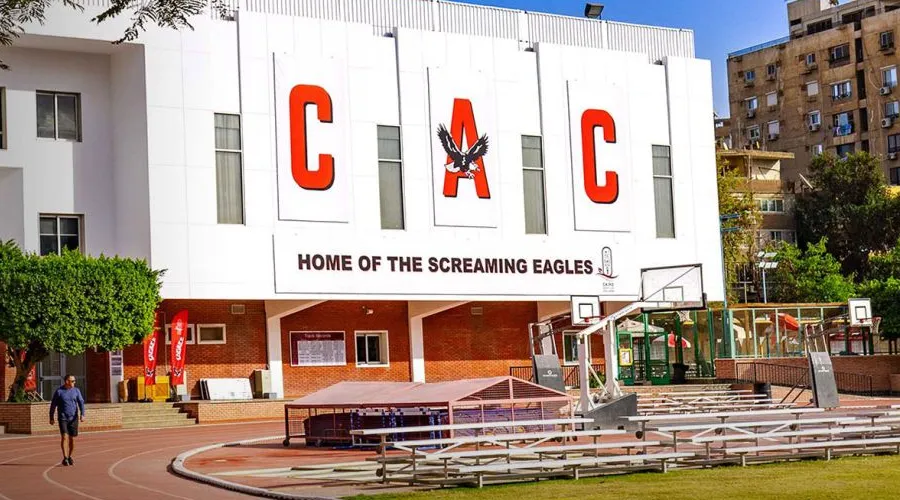
Maadi has been Cairo's primary expat neighborhood since the early 20th century and remains the most established choice for families with school-age children. It hosts Cairo American College, the British International School, several embassy residential leases, and a community depth no other neighborhood matches. Streets are walkable, lined with mature trees, and broken into distinct sub-neighborhoods.
Which parts of Maadi are best for expats?
Sarayat El Maadi is the premium pocket: heritage villas, embassies, the highest rents. Degla is the most walkable, with cafés, gyms, supermarkets, modern apartments, and easy Ring Road access. Old Maadi sits closer to the Nile with older buildings and often better value. Zahraa El Maadi is further south, more affordable, and more local in character.
How much does it cost to rent in Maadi?
Maadi rental ranges (2026)
- 2-bedroom furnished apartment35,000 – 80,000 EGP/mo
- 3-bedroom furnished apartment65,000 – 125,000 EGP/mo
- 3-bedroom villa in Sarayat200,000 – 325,000+ EGP/mo
Browse apartments for rent in Maadi, Sarayat listings, or Degla listings.
Zamalek: Central, Walkable, Nile-Side
Zamalek occupies the northern half of Gezira Island in the middle of the Nile and is the best choice for expats who want urban walkability and central access. It's home to embassies, art galleries, boutique restaurants, and some of Cairo's oldest residential architecture. Apartments tend to have high ceilings, wraparound balconies, and Nile views, but stock is limited and competitive.
Who lives in Zamalek?
Zamalek attracts singles, couples without school-age children, journalists, and senior diplomats. The neighborhood is denser than Maadi with less green space, but compensates with walking access to galleries, the Cairo Opera House, and the Gezira Sporting Club. Two real trade-offs: parking is genuinely difficult, and the island has limited entry and exit routes during rush hour, so getting on or off the island can add 20 minutes to a commute.
What does it cost to rent in Zamalek?
Zamalek rental ranges (2026)
- 2-bedroom furnished Nile-view apartment45,000 – 110,000 EGP/mo
- 3-bedroom apartment70,000 – 180,000 EGP/mo
Katameya Heights: Premium Villa and Golf Lifestyle
Katameya Heights is Cairo's most exclusive residential compound, organized around an 18-hole golf course in New Cairo, and primarily home to senior diplomats, corporate executives, and Egyptian elite. The compound offers self-contained security, landscaping, and amenities. The lifestyle is fully car-dependent and isolated from central Cairo.
Who chooses Katameya Heights?
Senior corporate assignees and diplomatic families with generous housing budgets, families wanting maximum security and amenities, and golf enthusiasts. The setting is genuinely premium: stand-alone villas with private gardens, mature landscaping, and a close-knit international neighbor base. The drive to central Cairo or Maadi runs 45 to 75 minutes depending on traffic, which is a real factor if your office isn't in New Cairo.
What does it cost?
Villa rentals in Katameya Heights typically start at 200,000 EGP per month and rise into the 500,000+ EGP range for the largest plots. Sale prices for villas commonly reach into the seven-figure USD range.
New Cairo: Modern Compounds for Families
New Cairo is the modern eastern expansion of Cairo, organized around large compounds like Mivida, Hyde Park, Mountain View, and Lake View Residence, and best suited to families who prefer compound living and don't mind driving everywhere. It's where Cairo's wealthy and a growing share of expats have moved over the last 15 years.
What are the advantages of New Cairo compounds?
Compounds offer 24/7 security, in-compound supermarkets and clinics, generous green space, and often international schools within walking distance. Mivida hosts Repton Cairo School. Mountain View hosts British curriculum options. Lake View Residence is minutes from MES and CIS.
What's the trade-off of New Cairo?
New Cairo is genuinely car-dependent. Walking is limited to within compound boundaries, and the commute to downtown can be punishing. Most assignees who choose New Cairo do so because their workplace is also on this side of the city, especially along the 90 Street corridor.
Rental ranges are competitive with Maadi: 50,000 to 120,000 EGP per month for a 3-bedroom compound apartment, with villas significantly higher. Browse apartments for rent in Cairo.
Renting Your First Apartment in Cairo
Why Working With an Established Agency Matters in Cairo
A reliable agency makes a real difference in Cairo more than in most cities. The market isn't transparent: listings aren't centralized, lease norms vary by building, and deposit recovery depends on who introduced you to the landlord. Working with an established agency costs the same as a random broker, but the difference shows up in inventory quality, contract clarity, and how problems get resolved after you've moved in. House Solution Egypt has handled expat leases from Maadi since 2001, with verified inventory, English-language contracts, invoices, and post-move-in support.
We've handled expat leases from Maadi since 2001 — verified inventory, English contracts, invoices, and post-move-in support.
Talk to House Solution EgyptFurnished, semi-furnished, or unfurnished?
Most expat tenants choose furnished apartments because they solve the move-in problem in a market where shipping a container from abroad takes 6 to 10 weeks. Furnished units come move-in ready with appliances, ACs, beds, sofas, kitchenware, and usually internet pre-installed. Semi-furnished typically means appliances and ACs only. Unfurnished is rare for expat-targeted units and means literally empty, including no kitchen.
What should I check before signing a Cairo lease?
Cairo apartments share a few quirks worth verifying during your viewing:
- Water pressure in the kitchen and all bathrooms (test it on the spot)
- AC age and whether servicing is the landlord's or tenant's responsibility
- Internet: fiber availability and an actual speed test from inside the unit
- Building generator and backup power
- Elevator maintenance history
- Window orientation and afternoon sun (matters enormously June to September)
- Noise from main streets, mosques, and nearby cafés at night
Standard practice is a 1-year lease, paid quarterly in advance, with a security deposit of 1 to 3 months' rent. Insist on a notarized copy and a written inventory if the unit is furnished.
For the legal and practical detail, see our Guidelines to Rent a Property in Egypt as a Foreigner and the Complete Guide to Renting an Apartment in Maadi 2025/2026.
The First 30 Days in Cairo: Your Settling-In Checklist
- Activate a local SIM at the airport or any Vodafone, Orange, or Etisalat shop
- Open a bank account if your stay is over 6 months. CIB, HSBC, QNB, and Banque Misr all serve expats
- Confirm utility transfer with your landlord, and photograph all meter readings on day one
- Set up fiber internet. Expect 1 to 3 weeks for installation
- Find a GP and a pediatrician at As-Salam International Hospital, Cleopatra, or Dar Al Fouad
- Tour your child's school and complete enrollment paperwork
- Apply for an Egyptian driving license if staying over 6 months
- Build your network through CSA Maadi, InterNations Cairo, or your embassy
Frequently Asked Questions about Living in Cairo as an Expat
Is Cairo safe for expats?
Yes, Cairo is generally safe for expats, with violent crime rates well below most major Western cities. Petty crime exists but is uncommon in expat neighborhoods. Most embassies rate Maadi, New Cairo, Zamalek, and Heliopolis as low-risk for residents.
What is the cost of living in Cairo Egypt for expats?
A single expat living comfortably in Cairo spends approximately 35,000 to 60,000 EGP per month, while a family of four typically spends 90,000 to 150,000 EGP per month excluding international school tuition. Cairo's cost of living is roughly 70 to 75 percent lower than London or New York for an equivalent lifestyle.
What is the best neighborhood in Cairo for expat families?
Maadi is the best neighborhood in Cairo for expat families with school-age children, primarily because of walkability, Cairo American College, the British International School, and the depth of the existing expat community. New Cairo is the strongest alternative when schools or workplaces are on the eastern side of the city.
Do I need to speak Arabic to live in Cairo?
No. English is widely spoken in expat neighborhoods, international schools, healthcare, and most service businesses. Learning basic Arabic phrases like shukran (thank you) and salamu alaikum enriches the experience but isn't a barrier to daily life.
How much money do I need to move to Cairo?
Initial setup costs typically run 200,000 to 500,000 EGP for a family of four, covering first quarter rent, security deposit, agency fee, utilities deposits, and any furniture or appliances if the unit isn't furnished.
Can foreigners buy property in Egypt?
Yes. Foreigners can own up to two residential properties in Egypt, each up to 4,000 square meters, with restrictions only on property within five kilometers of certain border or military zones. Property purchase above set value thresholds qualifies the buyer for an Egyptian residence permit.
How do I find a reliable real estate agent in Cairo?
Choose an agency with a long track record specifically in expat housing (over 10 years is a useful threshold), verifiable client references, physical offices you can visit, and a written inventory and lease in English. Agencies that provide post-move-in support are typically more reliable than agents working on commission alone.
Ready to Plan Your Move to Cairo?
If you're planning a move to Cairo in the next 6 to 12 months, talk to a team that handles expat relocations every week. House Solution Egypt has settled diplomatic families, corporate assignees, and remote professionals into Cairo for over 24 years.
Contact Our Team Browse Current RentalsRelated reading: Read more about Maadi · Cost of living in Maadi guide
Sources and Methodology
All EGP rental ranges in this guide are based on House Solution Egypt's active leasing inventory across Maadi, Zamalek, Katameya Heights, and New Cairo as of May 2026. Visa fees confirmed via Egypt's official e-Visa portal and the Egyptian Ministry of Foreign Affairs.