TEN STEPS TO HELP MAKE MOVING TO CAIRO EASY
Moving into an Apartment|5.7 MIN READ|Updated on: 11 September 2026|Written by: Marwa Samir
Moving to a new country is exciting and overwhelming in roughly equal measure. These ten steps cover the practical work of relocating to Cairo, in the order most people need to do it.
Step 1: Research the City
Cairo is not one place. It is a collection of very different districts, and the one you pick shapes your commute, your children's schooling and how much of the city you see on foot.
Look at the transport picture early. The metro is fast and cheap where it runs, and traffic on the main arteries at peak hours is worse than newcomers expect. Learning a handful of Arabic phrases before you arrive pays off immediately, as does knowing what to wear at religious sites and formal occasions.
Step 2: Choose a Neighbourhood
Budget, commute and schools decide this, usually in that order. Families relocating with children tend to shortlist Maadi for its international schools, green streets and metro access, or a New Cairo compound for space and security.
Fix the area before the property. It is the one thing you cannot change without moving again. Our guide to expat neighbourhoods in Cairo compares the main options.
Step 3: Secure Housing
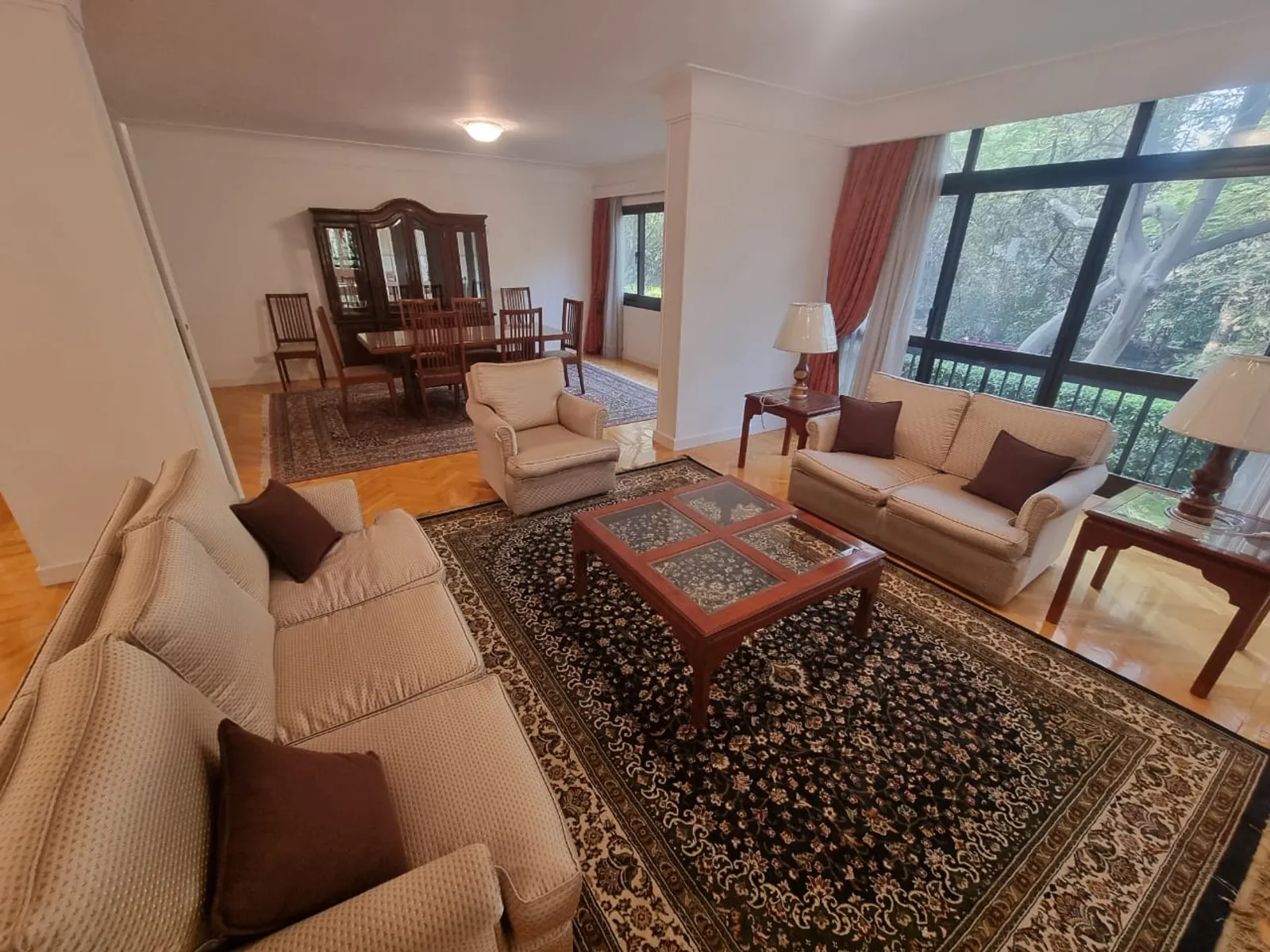
Decide first whether you want an apartment or a villa, and whether you need furnished. Almost all expat lettings in Cairo are furnished, which means arriving with suitcases rather than a shipping container.
Work with an agent who knows the district. Visit in person before committing, read the lease properly, and get the inventory signed and photographed at handover. Our guidelines for renting in Egypt as a foreigner cover the documents and contract terms in detail.
Step 4: Set Up Utilities
Electricity, water, gas and internet. Ask your landlord which providers serve the building, since it varies by district. You will usually need a copy of the lease and your passport or ID.
Photograph every meter on the day you move in. It is the cheapest insurance you will ever buy against a disputed bill.
Step 5: Open a Bank Account
A local account makes rent, utilities and daily spending far simpler. You will generally need your passport and residency permit. Banks differ on minimum balances, fees and how good their online banking is, so compare two or three before committing.
Step 6: Sort Out Transport
Metro, ride-hailing and taxis cover most needs. Uber and Careem both operate across Cairo and are the default for most expats.
Driving yourself is possible but demanding, and traffic rules are treated as suggestions. Many expat households hire a driver instead, which costs less than people expect and removes the single most stressful part of daily life here.
Step 7: Line Up Work
Most people arrive with a job already in place. If you are looking once here, network through your industry, professional bodies and LinkedIn, and tailor each application rather than sending the same CV everywhere.
Step 8: Learn Some Arabic
English gets you a long way in Maadi and the compounds, less so elsewhere. A few phrases change how people respond to you: ahlan for hello, ma'a salama for goodbye, min fadlak for please, shukran for thank you.
Culture matters as much as language. Egyptians are generous hosts, and small courtesies land well: dressing modestly at religious sites, accepting tea when it is offered, taking your shoes off when the household does.
Step 9: Connect With the Expat Community
Maadi has a dense expat network, and it is the fastest route to practical answers about schools, doctors, plumbers and everything else. InterNations and neighbourhood Facebook groups are the usual starting points, and both run regular meetups.
Sports clubs, language classes and volunteering work just as well, with the advantage that you meet Egyptians rather than only other foreigners.
Step 10: Go and See the City
Once you are settled, Cairo rewards exploring. The Pyramids of Giza are the obvious start. Next to them, the Grand Egyptian Museum opened in November 2025 and now holds the complete Tutankhamun collection, close to 5,900 objects displayed together for the first time. The Egyptian Museum in Tahrir still holds a vast collection of its own.
Eat while you explore. Koshari, ful medames and shawarma are the staples, and the best versions are rarely in the places with English menus.
Conclusion
The order matters more than the speed. Research the districts, pick your area, then find the property, and everything after that gets easier.
Give yourself time to settle rather than trying to sort out a whole life in the first fortnight. Cairo takes a few months to click, and most people find it does.
Frequently Asked Questions
Where do most expats live in Cairo?
Maadi, mainly Sarayat and Degla, for schools, greenery and the metro. New Cairo and Katameya Heights for compound living with more space. Browse properties for rent in Maadi.
Do I need to ship furniture to Cairo?
Usually not. Almost all expat lettings are furnished with appliances included, so most people arrive with suitcases.
Should I find a home before or after arriving?
Shortlist before you fly, view in person once you land. Many families take a short let for the first few months while they test the school run, then sign a twelve-month lease in the area that worked.
Do I need a car in Cairo?
Not in Maadi, where the metro and ride-hailing cover most trips. In New Cairo or Katameya Heights a car is close to essential, and hiring a driver is common.